A complete stranger falls down at the train station. The initial few seconds feel like a high cliff edge. If you have also standard training, you recognize what to do with your hands, your voice, your posture. If you do not, you are reluctant. That void issues. Charities and community teams have spent years closing that void by offering complimentary emergency treatment and CPR training, frequently close to home, in some cases with acknowledged certifications affixed. The purpose is easy: more qualified bystanders, less preventable fatalities, stronger communities.
I have actually shown first aid in church halls, sports clubs, migrant resource facilities, precursor dens, and on the carpeted flooring of a small collection after closing time. The top quality differs less than people expect. Good volunteer trainers bring lived experience from ambulance solutions, browse lifesaving, area nursing, or occasion paramedic work. They bring tales concerning real cardiac arrests in parking area, choking kids at birthday events, and bronchial asthma strikes on soccer sidelines. Those tales make training stick.
This overview discusses just how cost-free programs function, where to find them, what to expect on the day, how to assess high quality, and just how to navigate certificates such as HLTAID011 in Australia. You will certainly additionally see exactly how charity first aid training fits together with paid courses, and when you may still pick an industrial company. The objective is functional: aid you discover complimentary emergency treatment courses near me, sign up with confidence, and leave ready to assist a next-door neighbor or a stranger.
What "cost-free" actually means
People ask if "free emergency treatment" is absolutely cost-free. Usually it is, specifically when delivered by a charity funded via grants, contributions, or business sponsorship. Occasionally the tuition is free yet the certification carries an administrative cost to cover evaluation and certification. Periodically the training course is complimentary if you reside in a specific postal code, obtain specific benefits, come from a companion organization, or volunteer at neighborhood events.
Expect among three designs. Initially, fully complimentary area workshops that cover mouth-to-mouth nearby cpr courses at no cost resuscitation, choking, hemorrhaging control, and basic illness recognition, usually 90 mins to three hours, usually non-accredited however useful. Second, subsidized recognized courses where tuition is free and you pay a modest cost, say 20 to 60 units of neighborhood currency, for the certification handling. Third, "train and volunteer" versions where a charity covers your HLTAID011 or comparable if you devote to offer shifts at events or area programs for an established period.
A totally free emergency treatment course near me could show up under various names: "mouth-to-mouth resuscitation for parents," "Stop the Bleed," "Hands-only CPR road session," "Area -responder training," or "HLTAID011 complimentary training course" connected to a certain grant. Watch on fine print. Free cpr and emergency treatment training can indicate a quick initial session. complimentary first aid and cpr certification classes typically demand analyses, e-learning components, or both.
Why charities do this, and why it works
Several not-for-profit versions rest behind these programs. Some aim to decrease heart death by increasing spectator mouth-to-mouth resuscitation prices. Others take on injury in risky communities, such as coastal communities with several drownings or areas with slow-moving ambulance feedback times. Migrant and evacuee groups commonly ask for first aid in the languages individuals talk at home, which improves confidence and accuracy.
There is also a neighborhood durability angle. After storms, heatwaves, or bushfires, neighborhood preparedness improves when much more locals hold a first aid certificate free of charge. That skills obtains noticed. Companies, schools, and sports clubs commonly partner with charities to present cost-free emergency treatment and cpr training sessions to big teams. The social result is cumulative: a loads people that find out mouth-to-mouth resuscitation have a tendency to inform others and prompt more sign-ups.
I have seen a single two-hour free mouth-to-mouth resuscitation emergency treatment program cause three lives saved over the following year. Individuals phone call to say an associate at a storehouse collapsed and they recognized agonal breathing, began upper body compressions within 20 secs, and arranged the AED. That self-confidence does not need a week-long course. Great training, repeated technique, and clear actions are enough.
Where to find complimentary cpr and first aid courses near me
Search engines will certainly appear a mix of charities, regional councils, libraries, and healthcare facility outreach programs. Attempt pairing your town with phrases like free emergency treatment training course near me, charity first aid training, complimentary mouth-to-mouth resuscitation and first aid training course, or emergency treatment course cost-free. Include "library," "recreation center," "council," or "church hall" to fine-tune. If you remain in Australia, consist of "free first aid course australia," "cost-free HLTAID011," or "HLTAID011 charity program." In the United States and UK, "area mouth-to-mouth resuscitation" and "onlooker emergency treatment" commonly result in legitimate offers.
Local Facebook teams and area online forums are surprisingly great sources. Sports clubs, childcare networks, and migrant organizations article frequent invitations. College universities often run totally free emergency treatment and mouth-to-mouth resuscitation accreditation classes as component of trainee health and wellness initiatives. Healthcare facilities and rescue services run seasonal pushes, particularly throughout national CPR understanding weeks, to supply totally free mouth-to-mouth resuscitation first aid sessions in shopping centers or public squares.
Employers can request onsite cost-free emergency treatment and mouth-to-mouth resuscitation training through corporate social responsibility collaborations. If you work with safety and security at a little business, ask your HR or CSR get in touch with to reach out to charities. One well-organized session can train 20 to 40 team at once.
What the program will really teach
Free programs differ in scope, however the majority of cover a sensible core: evaluating risk, checking responsiveness and breathing, calling for help, chest compressions with or without rescue breaths, making use of an AED, and managing choking. Numerous include bleeding control with straight pressure and tourniquets, acknowledgment of stroke using FAST, and dealing with bronchial asthma or anaphylaxis.
Hands-on time matters more than slides. You want to press on manikins, exercise the rhythm, really feel the recoil under your hands. A great teacher will correct your hand placement and the depth of compressions, after that run sensible scenarios: a young child choking on a grape, a worker with upper body pain, a biker with a broken collarbone. Short, memorable expressions assist. I still teach "set at the center of the upper body" at about 100 to 120 compressions per min, letting students exercise to a metronome track that matches the pace of popular songs.
Expect to invest 20 to 40 percent of the session practicing. Free does not imply passive. If you leave without sweat on your palms and a little muscular tissue fatigue, you did not obtain sufficient repetitions.
Accreditation, certifications, and HLTAID011
Certificates matter for work environments, especially in child care, education and learning, aged treatment, building, and hospitality. Lots of work require identified units straightened with nationwide structures. In Australia, HLTAID011 Give First Aid is the typical requirement, in some cases together with HLTAID009 Give cardiopulmonary resuscitation and HLTAID012 for education and treatment settings. You may see promotions for hltaid011 cost-free emergency treatment or a hltaid011 complimentary training course through regional initiatives. These can be legitimate. The catch is areas are limited and analyses need to meet registered training organization (RTO) requirements. Generally there is pre-course e-learning, a useful evaluation, and identification verification.
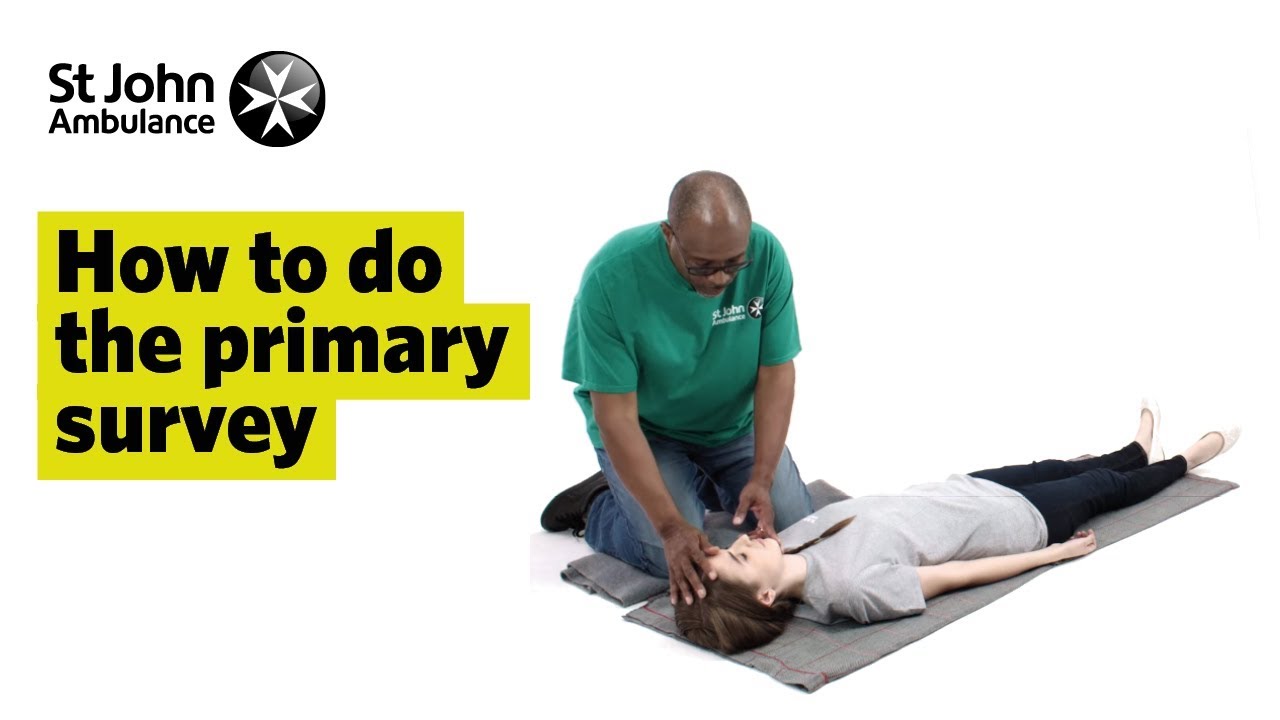
Some charities companion with RTOs to supply totally free first aid and cpr program places funded by councils or health and wellness companies. If you require a complimentary first aid certificate for work, checked out the course description very carefully. Seek the device code, the issuing RTO, the assessment needs, and the shipment period. If any one of that is missing, it may be a non-accredited recognition session. Those are still beneficial, yet they will not satisfy regulative requirements.
Outside Australia, the calling differs. The principle coincides: check if the certification specifies the educational program requirement, the service provider's certification, and the credibility period. A lot of first aid certificates need revival every two to three years, and CPR updates each year or every twelve months, depending upon neighborhood advice and employer policy.
Free versus paid: honest trade-offs
I show in both settings. Paid courses provide foreseeable organizing, guaranteed certifications, and extra teacher hours per pupil. They often consist of blended e-learning that covers minor injuries, ecological emergency situations, and lawful facets in even more deepness. If your work mandates a specific system, a paid program might be the fastest route.
Free training courses beam in availability. Timing might straighten with college pickup hours. Locations are regional. Language assistance is much better in neighborhood settings. The environment is friendly and much less frightening for individuals who have never ever taken an official course. You additionally fulfill next-door neighbors and possible co-responders. The trade-off is accessibility. Free seats load promptly, and terminations prevail. Certificates, when offered, might take longer to process, particularly if volunteer admin groups take care of paperwork.
The middle ground is subsidized cost-free emergency treatment and mouth-to-mouth resuscitation training for targeted groups: new parents, senior citizens, migrant neighborhoods, or volunteers. If you fall under those groups, ask the organizer for top priority placement.
What to ask prior to you enroll
People often sign up for "free mouth-to-mouth resuscitation and first aid accreditation" and find it is a one-hour talk without assessments. Clear up prior to you devote. Ask whether the session consists of manikin practice, AED usage, choking drills, and bleeding control. Verify whether you will get a certification, what it licenses, and whether it is acknowledged by employers or regulators. If the training course is promoted as free cpr and emergency treatment courses near me but the coordinator requests a down payment, ask about refund plan and whether the down payment converts to a donation if you cancel.
Check accessibility. Are there chairs for those who can not kneel throughout CPR practice? Is the venue obtainable by public transport? Are interpreters readily available? Does the training course cover pediatric first aid if you are a moms and dad or carer? A great organizer will certainly address promptly and clearly.
What a good free session really feels like
The signs are consistent across countries. You are welcomed by name. The trainer recognizes why you exist and adapts examples to the team. The course starts with scenario-based conversation, then moves into hands-on drills. There is a straightforward flow for dangerous emergencies: check reaction and breathing, call for aid, compress, and defibrillate. You obtain responses on depth and price, normally using manikins with indicators or an easy application. The trainer shares area tales without dramatization, focusing on vital decisions and sensible details, like how to cut a bra with shears to put AED pads or how to roll a hefty person into recovery placement without straining your back.
Near completion, there is a short consolidation scenario that asks you to place the actions together, including routing an onlooker to bring the AED, designating somebody to call emergency services, and taking care of the scene. If there is accreditation, assessments are explained without shocks. If it is an awareness session, you still leave with a handout, a link to refresher videos, and guidance on just how to locate totally free cpr and first aid training refreshers.
The fundamentals that always matter
Technique changes a little over the years, yet a couple of principles withstand. Deal with what you have, act early, and do not await assurance. If somebody is less competent and not breathing generally, begin breast compressions. Do not lose time trying to find a pulse if you are not trained to examine it quickly and properly. Scream for an AED quickly. On lots of courses, individuals hesitate to open package. Do not. Transform it on and follow its prompts. Modern devices train you via pad positioning and will certainly not stun unless the rhythm is shockable.
Choking demands definitive action. Urge coughings if the individual is coughing properly. Otherwise, alternate between back strikes and stomach thrusts, or breast embed maternity or late stages of weight problems. Call for help early. A brief set of well-delivered thrusts can dislodge an obstruction that would or else trigger collapse in under a minute.
Bleeding control is primarily stress and persistence. Press hard, straight on the wound, for numerous mins. If blood loss is extreme, a tourniquet positioned a couple of inches over the injury and tightened up until bleeding quits can be life-saving. Lots of complimentary first aid courses near me currently consist of improvised tourniquet practice utilizing triangular bandages or commercial tools. The point is not to memorize brand names, however to find out the concept: company, broad pressure, no fifty percent measures.
Special factors to consider for family members, carers, and teams
Parents have a tendency to stress over baby CPR and choking. Free sessions tailored to family members commonly offer pediatric manikins and practice with smaller hands and lighter compression depths. Identifying croup, febrile seizures, and asthma likewise matters in homes with young children. If you care for a person with epilepsy, diabetes, or serious allergies, bring that up at the beginning and ask the teacher to weave pertinent situations into method. Good instructors enjoy particular questions.
For teams in workplaces or sports clubs, build a small roster of skilled members and practice easy plans. Where is the AED, that orders it, that calls emergency situation services, and that meets paramedics at the door? It seems unimportant till the minute arrives and ten individuals chat simultaneously. Short on-site run-throughs after a complimentary cpr and emergency treatment training course aid cement roles.
Certificates on a spending plan: sensible paths
If you need cost-free emergency treatment qualification for a task, map the demands prior to you publication. Companies occasionally accept different mixes of units or will compensate you for the certificate charge affixed to a totally free class. Try to find seasonal campaigns. Councils and health agencies frequently fund totally free emergency treatment and cpr qualification throughout particular months. Volunteer pathways function too. Event emergency treatment teams often cover training expenses for a minimum variety of shifts. That commitment constructs real experience along with the certificate.
For Australians going for HLTAID011, expect local news of totally free hltaid011 or hltaid011 charity program areas throughout area safety and security drives. Rooms are restricted and need prompt attendance and ID. If you miss out, ask to be waitlisted. No-shows are common, which is a persistent stress in totally free programs. Basic politeness goes a long method. If you can not participate in, terminate early so another person can take your seat.
How to prepare and obtain the most out of training
Arrive all set to do, not simply Additional reading to pay attention. Put on comfortable garments. If you have knee problems, bring a towel or pad, or ask for a chair-based adjustment. Review any pre-course material and see the recommended video clips. In this way you spend course time exercising instead of capturing up on theory. Ask inquiries that disclose genuine concerns, such as how to handle mouth-to-mouth resuscitation in a confined kitchen or just how to deal with a road event securely with kids in the car.
Bring context from your atmosphere. If you operate in a stockroom, state power tools and hefty tons. If you browse, discuss back considerations in superficial water and the management of additional sinking threat. Charities value these specifics due to the fact that it helps them tailor future complimentary emergency treatment training to local hazards.
What if you can not locate a session now
Free training accessibility rises and fall with funding cycles. If absolutely nothing is readily available this month, think about a brief, low-cost CPR-only course while you await a cost-free first aid and mouth-to-mouth resuscitation training port. Many providers provide two-hour mouth-to-mouth resuscitation refresher courses at easily accessible prices. On the internet components can prime your understanding, though you still require hands-on technique for muscle mass memory. Some charities run pop-up "mouth-to-mouth resuscitation in the park" afternoons when the climate is excellent. Follow their web pages and register for alerts.
You can also coordinate a group. The majority of charities will schedule a totally free emergency treatment training course if you have a dozen devoted individuals and a location. Community centers, colleges, and churches usually provide spaces at no charge. A stable team reduces no-shows and enhances the chance of ongoing programs, including complimentary cpr and emergency treatment certification if an enroller comes onboard.
How charities maintain standards high
Skeptics fret that cost-free means low quality. The far better programs guard against that. Instructors keep their own medical currency through volunteering at occasions or operating in wellness functions. Training course material mirrors nationwide standards and updates after each standard cycle. Devices is examined and cleansed, manikin lungs replaced consistently, AED trainers upgraded with present triggers. Comments types are brief yet significant, asking what individuals located uncertain and what scenarios they desire following time.
Some teams track results. They gather anonymized reports of spectator treatments and research them. The understandings refine emphasis. If many individuals later on report being reluctant to use an AED due to pad placement concerns, the following sessions invest more time on pad positioning throughout different breast forms. This feedback loop is a peaceful toughness of charity first aid.
Legal and safety and security considerations
People bother with legal risk. Good Samaritan protections exist in several territories for onlookers that act in good confidence. They do not cover gross negligence, however they secure sensible attempts to assist. Instructors can describe neighborhood legislations and emphasize safety and security initially. Do not place yourself in danger to offer help. Secure the scene, usage gloves if offered, and wash hands thoroughly after get in touch with. If there is blood, stay clear of contact with your face and eyes. If you are subjected to physical liquids, follow regional post-exposure guidance.
Privacy issues as well. Do not film clients. If you need to tape-record information for emergency services, keep in mind the time, what you observed, and what you did. Hand that details to responders when they arrive.

Keeping abilities fresh without investing money
Skills discolor rapidly. Refreshers aid, and they need not cost anything. Repeat a two-minute collection of compressions on a cushion in your home once a month while counting to keep tempo. View short training video clips from reputable organizations and envision your activities. If your community group runs free practice nights, decrease in. Volunteer at occasions where darkness and advisors can oversee your first aid work. The combination of brief, routine technique and periodic real-world direct exposure keeps self-confidence high.
When a new free emergency treatment training course appears near you, revisit it even if your certificate is still valid. You will certainly pick up upgraded support and develop your muscle memory. Short, constant technique beats long, infrequent courses.
A reasonable course to readiness
You do not require to become a paramedic. You need a clean psychological formula and a readiness to act. Free cpr and emergency treatment classes near me, whether a fast mouth-to-mouth resuscitation lesson at the library or a full emergency treatment program for free via a charity collaboration, can offer you both. If you need paperwork, target sessions that give free emergency treatment qualification or subsidized analyses. If your concern is confidence for your household, pick practical, hands-on neighborhood workshops.
Look near to home. Search for emergency treatment free of cost chances by name, ask your council, and inspect notice boards. If you remain in Australia and require HLTAID011, check for hltaid011 free training course supplies connected to regional gives. For every person else, situate complimentary cpr and emergency treatment training through health centers, ambulance services, and nonprofits concentrated on heart survival and injury avoidance. The tags differ, but the result coincides: you get the ability to advance when it matters and to steady your hands in the first minutes of somebody's worst day.

Below is a compact checklist you can utilize to veterinarian and get ready for a session.
- Confirm scope: CPR with AED, choking, bleeding control, and any pediatric material you need. Clarify qualifications: is it awareness only or does it supply a recognized certificate? Check logistics: venue access, language assistance, time for hands-on technique, and any fees. Prepare: full pre-learning, use comfy clothing, and disclose any kind of mobility limits. Commit: cancel early if you can not participate in so an additional person can take your place.
Communities get more secure when more individuals know what to do and really feel permitted to act. Free emergency treatment training course chances make that feasible for individuals who might otherwise wait years to sign up. If a spot opens up near you, take it. Then inform 2 close friends. That is how readiness spreads.